
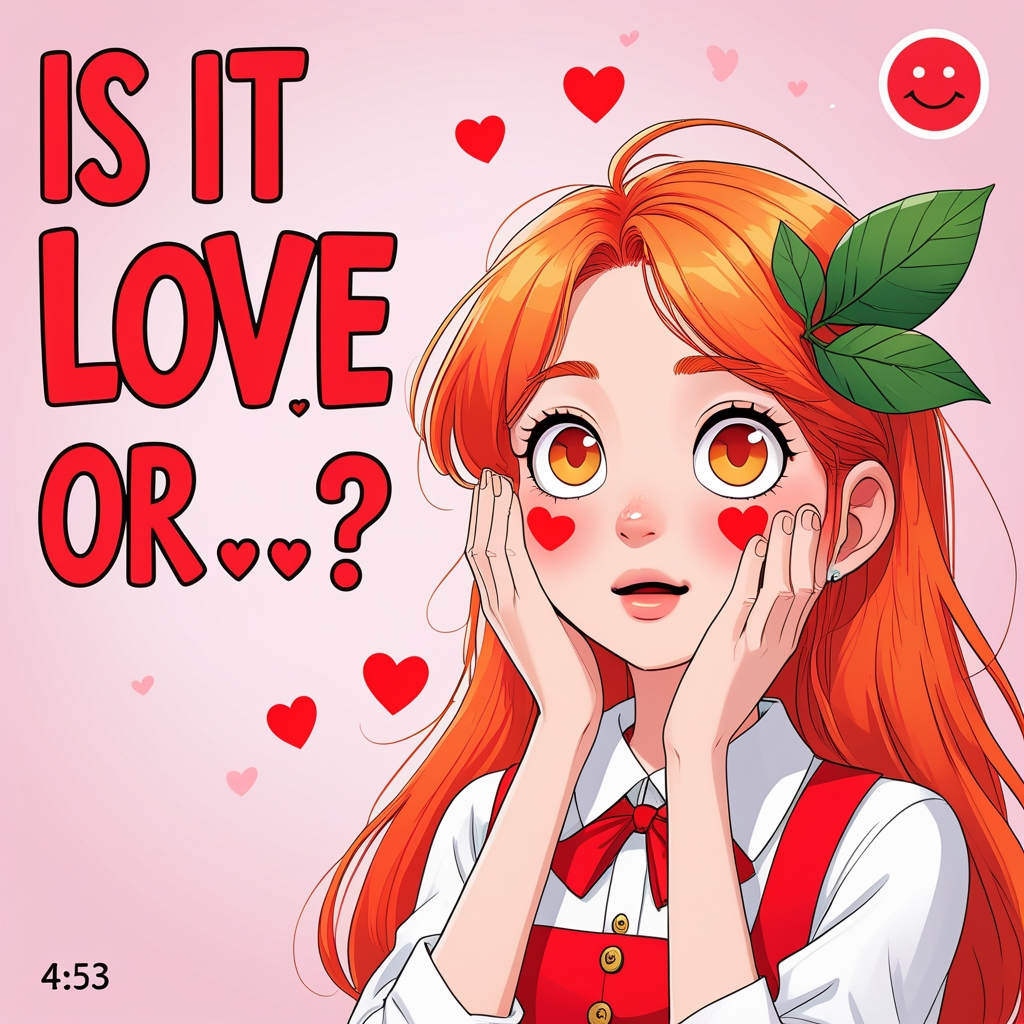
Close your eyes for a moment and picture your crush.
The person who can make your brain completely short-circuit just by existing. The one who somehow turns a normal day into emotional chaos without saying a word. You catch yourself checking your phone again and again, even though deep down you already know they haven’t replied. That tiny surge of excitement when their name finally lights up your screen feels powerful, almost magical. But here’s the uncomfortable truth: that feeling isn’t love. It’s dopamine.
Dopamine is your brain’s reward chemical. It’s what fires up when there’s anticipation, novelty, and possibility. It’s the same chemical released when you win a game, scroll social media, or wait for a surprise. Dopamine doesn’t care who you like or whether someone is good for you. It only cares about the chase, the maybe, the next hit of reward. It makes you feel high on possibility, not grounded in reality.
So before you call what you’re feeling “love,” pause for a second and ask yourself a harder question. Is your heart actually choosing this person, or is your brain just chasing its next chemical rush?
Today, we’re breaking down how dopamine, lust, and attachment work together to trick you into mistaking chemistry for connection. And more importantly, how to recognize when what you’re feeling isn’t love at all, but just dopamine wearing a very convincing disguise.
Here’s what’s actually happening in your brain when you develop a crush. When attraction starts, your brain releases three main chemicals. Dopamine, which fuels reward and motivation. Norepinephrine, which drives excitement and alertness. And serotonin, which actually drops. That drop in serotonin is why you feel restless, lose your appetite, and can’t stop thinking about them. Your thoughts loop. Your focus narrows. Your emotions feel out of control.
You’re not weak. You’re not dramatic. You’re chemically obsessed.
Psychologist Dorothy Tennov coined the term “limerence” to describe this exact state. Limerence is that intoxicating, intrusive phase of infatuation where someone occupies your mind constantly, even if they barely know you. It’s why you replay a single conversation over and over like it’s a movie scene. Your brain is trying to recreate the high it felt the first time.
And here’s the key thing most people miss: dopamine doesn’t reward love. It rewards anticipation. That’s why the “what if” feels better than the “yes.” You’re not addicted to them as a person. You’re addicted to wondering if they like you back.
Biological anthropologist Dr. Helen Fisher found that lust and love activate completely different systems in the brain. Lust lights up the hypothalamus, the drive center that pushes desire and craving. Love activates the brain’s bonding and attachment networks. Lust says, “I want them.” Love says, “I trust them.”
During lust, your body is flooded with testosterone and estrogen, chemicals that increase desire and urgency. But when real attachment forms, dopamine starts pairing with oxytocin, often called the cuddle chemical. That combination creates calm, safety, and emotional stability instead of chaos. That’s why early attraction feels like caffeine. Fast, jittery, intense. But real love feels more like breathing. Steady, showing up quietly in the background.
So if someone makes your heart race but your mind spiral, that’s usually lust. If someone makes your heart slow down and your mind feel at rest, that’s closer to love.
But there’s an even deeper layer that most people never talk about. Sometimes what you think is chemistry isn’t chemistry at all. It’s conditioning.
Psychologists refer to this as your attachment blueprint. It’s the emotional map created by your earliest relationships, especially in childhood. That blueprint quietly teaches your brain what love is supposed to feel like. If love once meant unpredictability, your nervous system may now confuse chaos with excitement. If love once meant earning attention, you might feel drawn to people who pull away, not because it’s healthy, but because it’s familiar.
This isn’t your fault. Your brain isn’t broken. It’s just repeating patterns it learned a long time ago. Your brain isn’t searching for love. It’s searching for what feels like home, even if home wasn’t safe or stable.
Crushes thrive on uncertainty. Every unanswered text, every mixed signal, every almost-flirty moment sends dopamine spiking. Neuroscientists call this the reward prediction error. Your brain releases more dopamine when the outcome is unclear. That’s why “maybe they like me” feels more intoxicating than “they definitely do.”
In behavioral psychology, this pattern is known as intermittent reinforcement. Unpredictable rewards that keep you hooked. It’s the same mechanism that keeps gamblers pulling slot machine levers and keeps people endlessly scrolling their feeds. Each seen message with no reply becomes another pull of the lever. Maybe this time there’ll be a reward.
Over time, a crush can turn into obsession. A self-feeding dopamine loop. You think you miss them, but what you really miss is the rush.
Dopamine makes attraction feel electric. But electricity doesn’t last without a steady current underneath. And that spark you’re chasing isn’t always love. Sometimes it’s just stimulation. Sometimes it’s your nervous system confusing intensity with intimacy.
Your brain is designed to chase excitement. But your heart is designed to crave peace. That’s the difference. Dopamine keeps you leaning forward, waiting, hoping. Love allows you to exhale.
So the next time your stomach flips over a text notification, slow down and ask yourself honestly: is this love, or is it just dopamine pretending to be? Real love isn’t the thrill that burns fast and leaves you anxious. It’s the warmth that stays when the chemicals quiet down.
Have you ever mistaken dopamine for love? If you have a crush right now, drop their name in the comments below. And don’t forget to like, share, and subscribe for more gentle psychology of everyday life here on Psychico.