
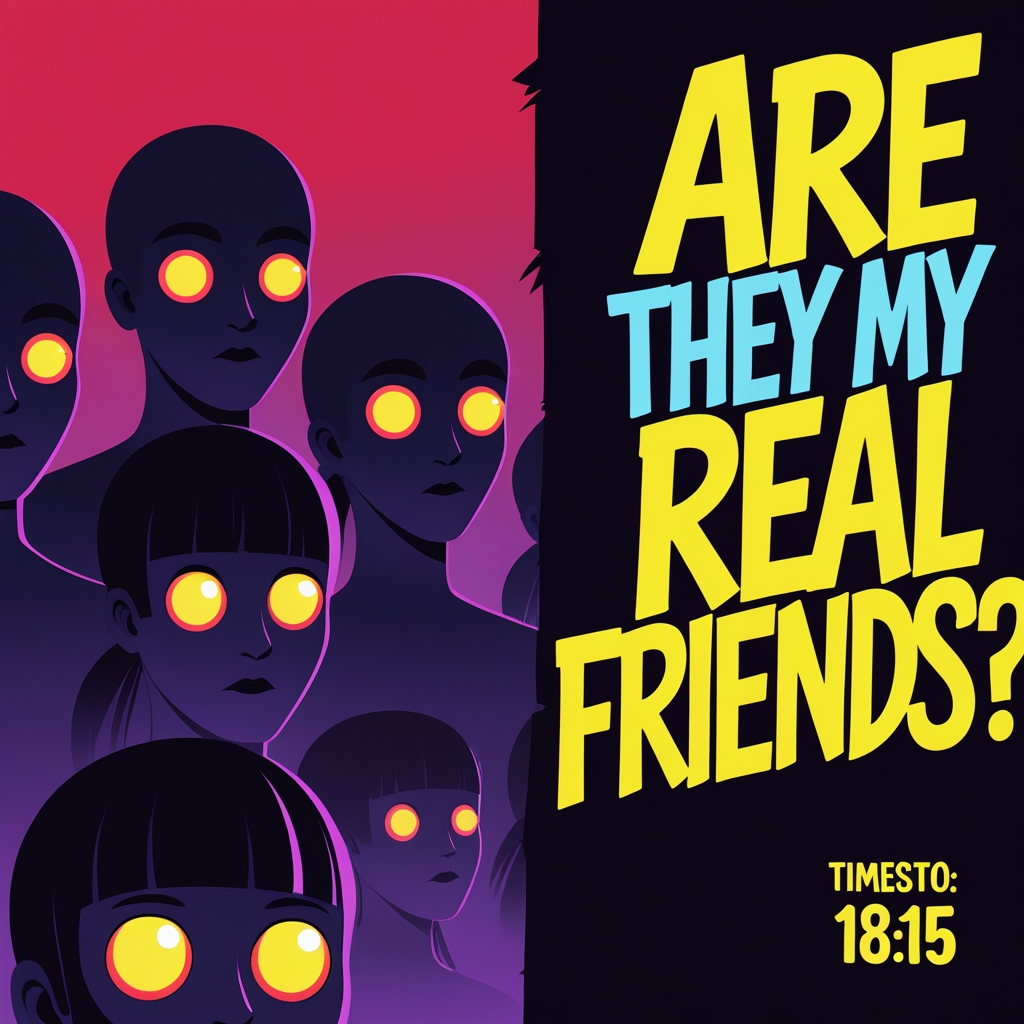
Have you ever walked away from a hangout feeling completely exhausted, like something just quietly drained the life out of you? Or maybe you’ve looked at your friend group and wondered, deep down, whether everyone there is actually good for you. Think of your social circle like a garden. Most of the time, it’s full of plants that help each other grow. But every so often, a weed sneaks in. It doesn’t look dangerous at first. In fact, some weeds look just like flowers. And by the time you notice the damage, their roots are already deep in the soil.
That’s where psychology comes in. It helps us recognize patterns before they cost us our peace. With that in mind, let’s talk about six types of toxic friends and which ones experts say can be the most damaging over time.
First, the gossip. You probably know this one well. They always seem to know what’s going on with everyone. At first, it feels exciting, like you’re part of some inner circle. You hear stories, secrets, and details that no one else seems to know. But then a thought creeps in. If they talk about everyone else, what do they say about me? That’s the danger. Gossips don’t just share information. They trade it. Your private life becomes currency. And sooner or later, things you shared in confidence start circulating. Trust slowly dissolves. A real friend guards your secrets. A toxic one turns them into entertainment.
Next, the flaky friend. This is the person who cancels last minute, shows up late, or simply doesn’t show up at all. You’re left waiting, checking your phone, wondering if you matter. They make big promises but rarely follow through. While it may seem harmless at first, over time it chips away at trust. You start questioning your importance in their life. Consistency is a form of care, and when it’s missing, the friendship starts to feel hollow.
Then there’s the underminer. This friend treats life like a competition. You share a win, they immediately one-up you. You talk about a struggle, they had it worse. Nothing is ever just about you. Your success somehow threatens them, so they minimize it. “Anyone could do that,” they’ll say. Instead of support, you get subtle put-downs. Healthy friendships celebrate wins together. Toxic ones keep score. Over time, this constant comparison erodes confidence and motivation.
Now, the most dangerous one: the master manipulator. This isn’t accidental toxicity. This is calculated. At first, they seem amazing. Charismatic. Supportive. They make you feel seen and understood. But slowly, the dynamic shifts. They pull strings behind the scenes. They guilt-trip you. They gaslight you. They might say things like, “Everyone else is against you, but I’m the only one who really cares.” They isolate you while pretending to protect you. They might do something generous, then hold it over your head later. Or hurt you, then flood you with affection so you doubt your own feelings. This kind of friend doesn’t just drain you. They control you.
The energy vampire is next. Spending time with them feels like running an emotional marathon. They unload problem after problem, crisis after crisis, without ever asking how you’re doing. At first, you listen because you care. But eventually, you realize the friendship is one-sided. You’re not a friend to them. You’re an emotional dumping ground. They leave feeling lighter. You leave feeling heavier. Healthy friendships give and take. This one only takes.
Finally, the victim. Like the energy vampire, they always have a problem. But nothing is ever their fault. They reject solutions because they don’t actually want change. They want sympathy. They thrive on validation. When one problem fades, another appears. Over time, you become their unpaid emotional caretaker. And that’s not your job.
So ask yourself honestly. Is this friendship nourishing you, or draining you? If it’s the latter, it may be time to start pulling weeds.
Now let’s zoom out a bit. Toxic friendships don’t always look dramatic at first. Sometimes they’re subtle. So here are five psychology-backed ways to spot a potentially toxic friend. And if you recognize yourself in any of these, maybe this is a chance to grow, too.
First, lack of empathy. Empathy is the ability to understand and share someone else’s emotions. In healthy friendships, it’s essential. When someone lacks empathy, they dismiss or invalidate your feelings. Pay attention to how they respond when you’re vulnerable. Do they listen? Do they offer support? Or do they criticize and minimize what you’re feeling? Feeling unheard over and over again can quietly damage your mental health.
Second, drama follows them everywhere. Everyone experiences drama sometimes. That’s life. But if someone is constantly surrounded by chaos and always plays the victim, that’s a red flag. People who thrive on drama often lack accountability and may use manipulation to maintain attention and validation.
Third, unreliability. This is the friend who only shows up when they need something. They cancel plans, forget commitments, and break promises. If you’ve addressed it and nothing changes, it’s not an accident. It’s a lack of respect. You deserve the same effort you give.
Fourth, envy. An envious friend struggles to be happy for you. They downplay your wins, offer backhanded compliments, or seem oddly pleased when things go wrong for you. A friend who can’t celebrate your success is not rooting for your growth.
Fifth, boundary-crossing. Boundaries protect relationships. When someone repeatedly ignores yours, despite clear communication, that’s not love. That’s control. Respect is non-negotiable.
Sometimes, the problem isn’t just one person, but an entire friend group. Toxic groups often lack trust, thrive on gossip, and turn honesty into cruelty. Competition replaces support. Manipulation replaces communication. Negativity becomes the norm. And boundaries disappear.
If this sounds familiar, it may be time to reassess. Repair is possible, but only if everyone is willing to change. Otherwise, choosing yourself is not selfish. It’s necessary.
Fake friends can leave deep scars. The loneliness hurts more when you’re surrounded by people who don’t truly care. But letting go creates space for genuine connection. Like Tom, who learned the hard way that real friendship is mutual, respectful, and supportive. And once you understand that, you come out stronger, clearer, and more at peace.